

Opioid Addiction and Incarceration: Breaking a Cycle That Affects Lives and Communities

Table of Contents

How common is opioid use disorder among incarcerated individuals?

Opioid addiction and incarceration are closely connected in the United States, creating a recurring cycle that places individuals with opioid use disorder at heightened risk for withdrawal, relapse, and overdose, both during incarceration and after release. For many people, jail is not where opioid use begins, but where untreated addiction becomes more dangerous due to limited access to care.

Many wonders, how common is opioid use disorder among incarcerated individuals?
While exact numbers vary by facility and region, research consistently shows that opioid use disorder is far more common among incarcerated populations than in the general public. A significant proportion of people entering jail report a history of opioid misuse, dependence, or overdose risk. This reality invites a deeper look into how opioid addiction and incarceration intersect, and why addressing addiction within jails is critical to saving lives and reducing recidivism.

In this blog by GateHouse Treatment, we will delve into the realities of opioid addiction and incarceration, examining how opioid use in jail often goes unaddressed, why opioid withdrawal in jail is a serious medical concern, and how gaps in addiction treatment in jails contribute to poor health outcomes and repeated incarceration. We will also explore evidence-based solutions, including medication-assisted treatment, court-ordered rehabilitation options, and pathways to recovery that extend beyond the jail system.

Understanding Opioid Addiction and Incarceration

To understand opioid addiction and incarceration, we should recognize addiction as a medical condition. Many individuals with substance use disorders are arrested for nonviolent offenses such as possession, theft, or probation violations; offenses closely linked to untreated addiction.

According to data, opioid use in jail has been steadily increasing, reflecting broader trends in the opioid crisis outside correctional settings. Jails, which typically house individuals for short stays, often lack the infrastructure to provide consistent addiction care, leaving people vulnerable during one of the most dangerous periods of their lives.

This disconnect reinforces a cycle: untreated addiction leads to arrest, incarceration disrupts tolerance, release increases overdose risk, and relapse can result in re-incarceration.

Opioid Use in Jail: A Hidden but Widespread Reality

Opioid use in jail is often invisible to the public, but it is a well-documented concern. People may enter jail already dependent on opioids, or experience cravings and withdrawal shortly after intake. Despite controlled environments, drugs can still circulate inside facilities, creating unsafe and unpredictable conditions.

Research published in JAMA Network Open highlights that individuals with opioid use disorder who cycle through jails face significantly higher risks of overdose after release, particularly when they don’t receive treatment during incarceration. This data underscores how opioid addiction and incarceration are not isolated issues, but part of a broader public health challenge.

Correctional officer walking down a jail hallway illustrating opioid use in jail and the hidden reality of addiction behind bars.

When opioid use in jail goes unaddressed, it places a strain on correctional staff, increases medical emergencies, and raises the likelihood of post-release harm.

Opioid Withdrawal in Jail: A Medical and Ethical Crisis

One of the most urgent aspects of opioid addiction and incarceration is opioid withdrawal in jail. Withdrawal can begin within hours of imprisonment and may involve severe physical and psychological symptoms, including intense pain, vomiting, anxiety, and insomnia.

Historically, many jails have managed opioid withdrawal in jail through forced abstinence, allowing symptoms to run their course without medication. This approach is not only distressing but also dangerous. Withdrawal reduces opioid tolerance, dramatically increasing the risk of fatal overdose upon release.

The National Institute on Drug Abuse (NIDA) reported in 2024 that fewer than half of U.S. jails provide life-saving medications for opioid use disorder. This lack of care means that opioid withdrawal in jail remains a preventable medical crisis for thousands of people every day.

Addiction Treatment in Jails: Gaps and Opportunities

Effective addiction treatment in jails is one of the most potent tools for interrupting the cycle of opioid addiction and incarceration. Yet access remains inconsistent. Many facilities lack funding, trained staff, or policies that support evidence-based care.

According to NIDA, addiction treatment in jails often limits services to counseling or short-term detox, rather than comprehensive care. This approach falls short of what research shows works best for opioid use disorder.

The FDA has made it clear that medications for opioid use disorder are safe, effective, and essential. When addiction treatment in jails includes these medications, outcomes improve not only during incarceration, but long after release.

Medication-Assisted Treatment: A Proven, Life-Saving Approach

Medication-assisted treatment (MAT), also known as medications for opioid use disorder (MOUD), combines FDA-approved drugs, such as methadone, buprenorphine, and naltrexone, with counseling and behavioral support.

The FDA emphasizes that these medications reduce cravings, prevent withdrawal, and lower the risk of overdose. Research consistently shows that individuals who receive MAT while incarcerated experience significantly better recovery outcomes than those who withdraw without medical support. National data indicate that as many as 77 percent of formerly incarcerated individuals with opioid use disorder relapse within three months of release when MAT is withheld during incarceration, even if they participated in counseling. In contrast, MAT provided in jail settings shows a reduction in opioid use, lower overdose risk, and improved treatment retention after release, critical factors during the high-risk reentry period.

Jurisdictions that have implemented comprehensive MAT programs in jails report measurable success. For example, correctional systems offering FDA-approved medications alongside reentry planning and community-based follow-up have documented reductions in reincarceration, probation violations, and criminal activity, while supporting long-term recovery. These outcomes reinforce that MAT is not merely a harm-reduction strategy, but a recovery-oriented approach that stabilizes individuals, preserves dignity, and creates a bridge from incarceration to sustained treatment in the community.

Despite this evidence, MAT remains underutilized in the context of opioid addiction and incarceration. Expanding MAT access in jails could dramatically reduce deaths, improve recovery outcomes, and support safer reentry into the community.
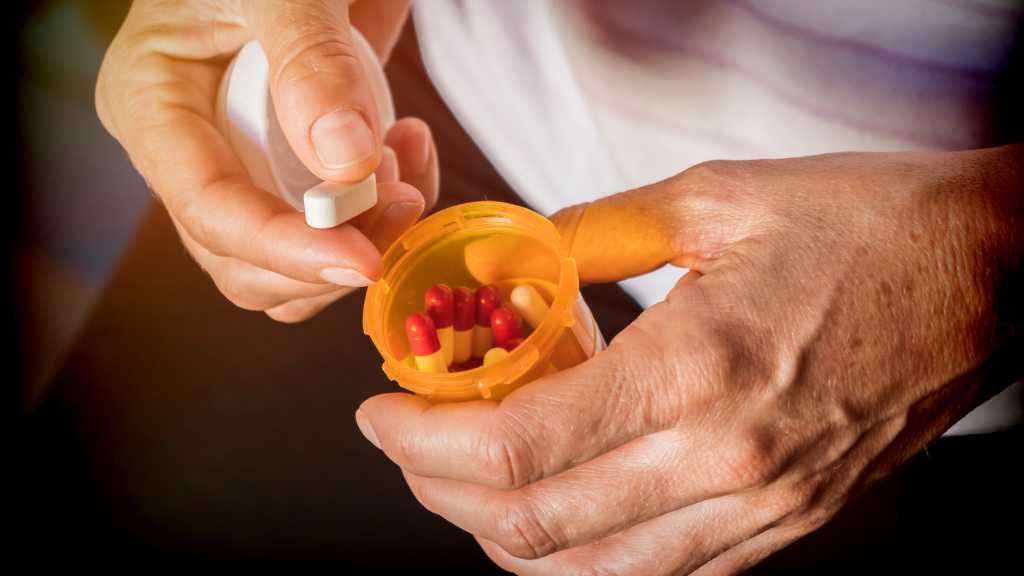
Hand holding a prescription bottle with medication used in medication-assisted treatment for opioid addiction and recovery support.

The Role of Courts and Court-Ordered Treatment

For some individuals, court involvement can become a pathway to help rather than harm. Court-ordered rehabilitation programs, when designed thoughtfully, can connect people to treatment instead of cycling them through jail.

Resources like GateHouse Treatment explain how court-ordered rehab can provide structured support, accountability, and access to care for individuals struggling with opioid addiction. When aligned with medical best practices, these programs can complement addiction treatment in jails or serve as alternatives to incarceration.

This approach recognizes that opioid addiction and incarceration should not be synonymous, and that recovery is possible with the proper support.

Why Addressing Opioid Addiction and Incarceration Matters

Addressing opioid addiction and incarceration is not just about improving outcomes for individuals behind bars. It is about public safety, community health, and human dignity. Untreated addiction contributes to repeated arrests, strained jail systems, and preventable deaths.

Providing consistent addiction treatment in jails, managing opioid withdrawal in jail with medical care, and reducing stigma around opioid use disorder are practical steps that benefit everyone involved. Communities with strong treatment continuity see lower recidivism and fewer overdoses.

Moving Forward: Support Beyond the Jail Cell

Breaking the cycle of opioid addiction and incarceration requires collaboration between correctional systems, healthcare providers, courts, and community treatment centers. Continuity of care, from jail to release to long-term recovery, is essential.

GateHouse Treatment offers support for individuals navigating addiction recovery, including medication-assisted treatment, structured rehab programs, and multiple levels of care tailored to each person’s needs. Whether someone is seeking help voluntarily or through court involvement, access to compassionate, evidence-based treatment can change the trajectory of their life.

Get Addiction Support at GateHouse Treatment

Opioid addiction and incarceration should never mean abandonment or neglect. Addiction is a medical condition, and people deserve care, regardless of where they are.

If you or someone you love is struggling with opioid use disorder, especially in the context of incarceration or legal involvement, help is available. Contact GateHouse Treatment by calling us at (855) 448-3588 or connect online to learn more about rehab options, medication-assisted treatment, and comprehensive recovery support. Taking that first step can help break the cycle and open the door to lasting change.

Let Us Help

Call (855) 448-3588 or complete the form below. We are available 24/7.

All Calls are Free and Confidential

"*" indicates required fields

Name*
This field is for validation purposes and should be left unchanged.

Does My Health Insurance Cover Treatment?

Take a closer look​ for a free, confidential consultation. A specialist will follow up and explain how we can help.​ We are here for you 7 days a week, 24 hours a day. Don’t wait.

Does My Health Insurance Cover Treatment

Check out our free, no obligation confidential consultation on insurance options. A specialist will follow up and explain how we can help.​ We are here for you 7 days a week, 24 hours a day. Don’t wait.

Get started on the road to recovery

Find out how we can help you starting today!
Scroll to Top
metricool