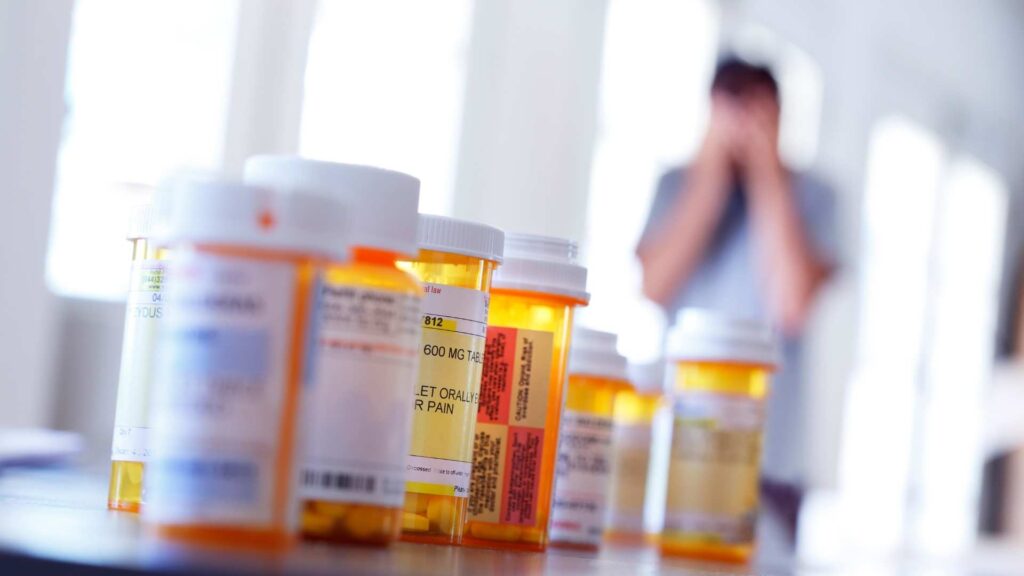
Opioid Recovery Insights: A Compassionate Look at Healing Over Time
Explore how compassionate, research-based opioid recovery insights that explore healing over time, and how individualized care can support recovery.


Explore how compassionate, research-based opioid recovery insights that explore healing over time, and how individualized care can support recovery.

In every doctor visit, they usually recommend exercise for better health, stronger immunity, and increased vitality. The benefits of physical movement extend far beyond just fitness; it has profound effects on mental and emotional well-being. But did you know that exercise can also be a transformative tool in substance use rehabilitation? The benefit of exercise for addiction recovery is more substantial than many realize.

How long should substance dependence treatment last? The substance dependence rehabilitation process is a unique journey for each individual. We recognize that there is no one-size-fits-all approach that fits all needs or is equally effective for everyone. The variety of methods, secondary symptoms, and, crucially, the length of treatment are important factors to consider. At GateHouse

How does art therapy help with substance recovery? Art therapy in recovery programs serves as a significant addition, offering various benefits to individuals grappling with substance use disorders. Studies have demonstrated that integrating a creative component into treatment programs can profoundly aid individuals on their journey toward sobriety. The combination of art therapy with traditional
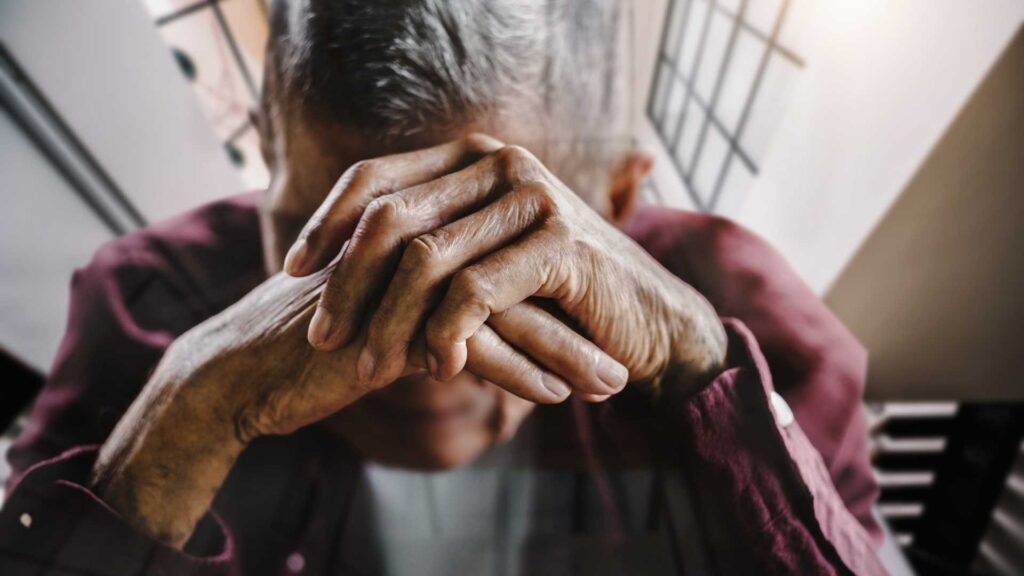
Substance use is more than just a personal struggle; it’s a societal challenge that’s deeply rooted in misunderstanding and prejudice. For individuals grappling with addiction, the stigma of substance use disorder (SUD) can be a formidable barrier to seeking help.

Does tapering substance use work? Many people who may be skeptical of substance dependence treatments tend to believe that simply tapering substance use is enough to achieve a sober life. However, they often overlook the challenges involved in becoming substance-free, such as cravings, withdrawal symptoms, the need for professional support, relapse, and mood swings, among other issues.

How do I speak to my loved one about their addiction? Engaging in conversations about addiction with a loved one who is an addict in denial can be incredibly challenging. Substance abuse does not just impact the individual; it reverberates throughout their entire circle of relationships. So, it’s normal not to know what to say,

Will I consume again if I leave rehab? The rehabilitation process holds immense significance as it ultimately ensures a thorough recovery, addressing the underlying reasons that drive individuals to engage in substance addiction. The critical moment of leaving rehab can potentially trigger concerns about relapse and even the risk of overdose. One of the challenges

Recovery from substance use disorders (SUDs) is an intensive journey, presenting challenges to many on their way toward better health. Sure, the physical and financial hurdles exist, but another, less expected adversary is boredom in recovery. While boredom may not be the first challenge most think of when recovering from substance use, this mental endeavor

GateHouse Treatment has as much experience with friends and family supporting our patients in rehab as we do with our patients. Saying goodbye to a loved one undergoing drug addiction treatment can be highly stressful. Nothing can brace you from being separated from someone you care about, and you may be worried about the journey

