


Virtual Addiction Treatment: A New Era of Accessible Recovery at GateHouse Treatment

Table of Contents

How effective is telehealth for addiction recovery?

In a world where connections happen through screens, it makes sense that healing can happen there, too. Virtual addiction treatment has quickly shifted from a pandemic workaround to a cornerstone of modern recovery. It’s not just about convenience—it’s about breaking barriers that have long kept people from getting the help they need.

But how effective is telehealth for addiction recovery? Research shows it’s just as effective—and sometimes more—than traditional in-person care. This shift represents more than just technological advancement—it’s a fundamental reimagining of how we approach addiction recovery. For many, telehealth addiction treatment has become the bridge between struggling in silence and finding the support and care they need.

However, like any meaningful change, the whole story deserves a closer look. Continue reading this blog by GateHouse Treatment to learn about the benefits of virtual addiction treatment, who it is most suitable for, and what the data reveals.

The Rise of Telehealth Addiction Treatment

Before 2020, telehealth for substance abuse treatment was a niche offering. Today, it’s a mainstream mode of care. During the COVID-19 pandemic, the number of behavioral health appointments conducted virtually jumped dramatically—by 2023, more than 60% of sessions were online.

That shift wasn’t just about keeping people safe—it revealed how many folks had been left behind by the traditional system. Long drives to treatment centers, strict work schedules, and stigma kept countless people from getting care. Virtual rehab programs can help close those gaps, allowing individuals to access care from home, on their terms.

Research published by the Journal of Medical Internet Research confirms that this change is more than a trend. Studies now show that telehealth services not only match in-person outcomes for addiction recovery but often outperform them in patient retention and engagement.

Exploring Virtual Addiction Treatment Benefits

Breaking Down Geographic Barriers

For individuals living in rural communities, accessing quality addiction treatment has long been a significant challenge. Driving to traditional treatment centers can take hours, making it nearly impossible to keep regular appointments. Virtual rehab programs eliminate these geographic limitations, bringing specialized support directly to patients no matter their location.

Rural patients have historically experienced lower rates of treatment initiation and engagement for alcohol, opioid, and other drug use disorders compared to their urban counterparts. Online addiction therapy levels this playing field, ensuring that zip code doesn’t determine access to lifesaving treatment.

Enhancing Privacy and Reducing Stigma

One of the most significant advantages of telehealth for substance abuse treatment is the enhanced privacy it provides. Many people avoid seeking help due to concerns about being seen entering a treatment facility or encountering someone they know in the waiting room.

Virtual addiction treatment offers an advantage by providing an enhanced sense of privacy, which can significantly alleviate the social anxiety often associated with seeking care for substance use disorders. This privacy allows individuals to engage more openly in their treatment, leading to better outcomes.

Exploring Virtual Addiction Treatment Benefits

The Science Behind Virtual Treatment Effectiveness

A comprehensive review of telehealth for substance abuse found that patients using virtual services were significantly more likely to stay in treatment. After one year, 50% of telehealth patients remained engaged compared to just 36% in traditional care settings. 

In addition, a groundbreaking study published in the Journal of Psychiatry and Brain Science found that telehealth programs reported a lower discontinuation rate of 3.8% over six months, compared to 9.7% in traditional care settings. 

Studies show that virtual treatment modalities are equally effective in building therapeutic trust, maintaining patient engagement, and achieving significant reductions in substance use and relapse.

The Success of Virtual Rehab Programs with Medication-Assisted Treatment

Telehealth has proven instrumental in significantly expanding access to Medication for Opioid Use Disorder (MOUD). Patients receiving most of their care through audio-video visits experienced a slight increase in the likelihood of receiving MOUD compared to those receiving predominantly in-person care.

Recent DEA policy changes have helped this along. As of January 2025, patients can now obtain a 6-month supply of buprenorphine following a telehealth appointment—no in-person visit is required. That’s a massive step toward making lifesaving care more accessible.

The convenience and accessibility of virtual appointments remove common barriers that prevent people from consistently accessing medication-assisted treatment, leading to better adherence and outcomes.

The Success of Virtual Rehab Programs with Medication-Assisted Treatment

Who Benefits Most From Virtual Rehab Programs?

While virtual addiction treatment can help anyone, certain groups stand to benefit the most:

  • Rural communities: People living in remote areas often face long travel times to reach the nearest clinic. Telehealth eliminates that barrier.
  • People with disabilities or mobility issues: Getting to appointments can be physically exhausting—or impossible. Telehealth brings care to them.
  • Working parents and caregivers: Finding time for self-care can be challenging when you’re responsible for others. Online therapy allows them to receive support without rearranging their entire lives.
  • Those seeking enhanced privacy: Online addiction therapy provides a level of discretion that traditional treatment settings cannot offer. Privacy is particularly valuable for individuals in high-profile positions or those belonging to tight-knit communities, where self-image is a significant concern.

Moreover, the privacy of virtual care helps alleviate social anxiety and stigma. Patients report feeling safer and more open in remote sessions.

GateHouse Telehealth Services: What It Looks Like in Practice

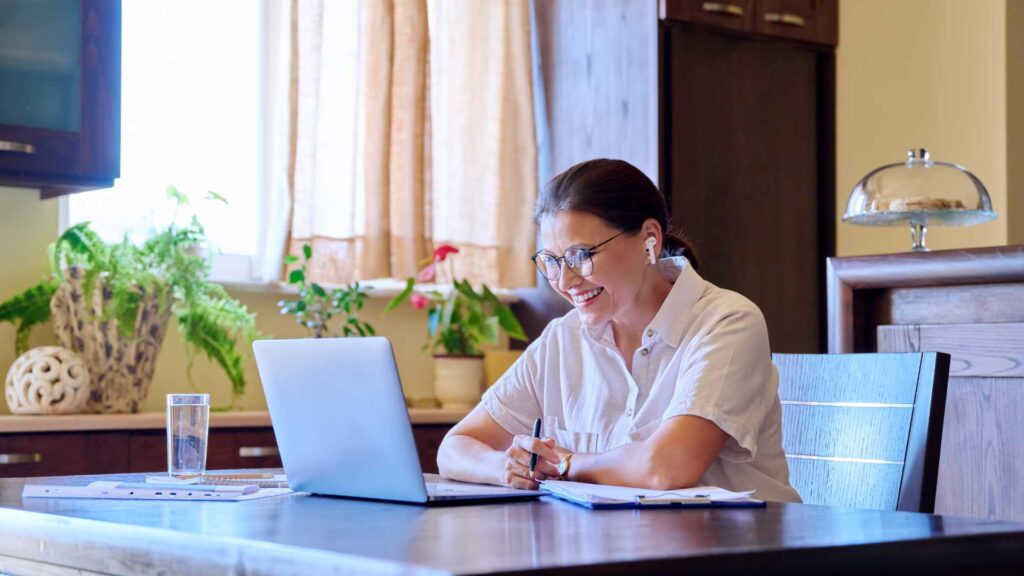
At GateHouse Treatment, online addiction therapy isn’t a one-size-fits-all solution, it’s a profoundly human, tailored experience. Our telehealth services consider real-life situations, including unpredictable schedules, personal responsibilities, and the need for privacy.

Clients can attend therapy from home, workplaces, or any other location where they feel most at ease. Group sessions, one-on-one counseling, and medication management are all accessible virtually. GateHouse clinicians utilize HIPAA-compliant video platforms to safeguard patient privacy and ensure seamless care. Most importantly, our approach doesn’t sacrifice quality for convenience—it meets people where they are and walks with them through recovery.

Learn more about GateHouse Telehealth Services here.
GateHouse Telehealth Services: What It Looks Like in Practice

The Future: Blended Models and Smart Tech

Looking ahead, virtual addiction treatment is evolving fast. Hybrid models, which blend in-person visits with telehealth, are becoming increasingly common. They allow flexibility while keeping a human connection for those who need it.

Additionally, the integration of mobile apps, wearable technology, and even AI can enable individuals to track their stress levels and sleep patterns in real-time. This data could soon help detect early signs of relapse. Imagine getting an alert and support before a setback happens.

In trials, mobile apps have successfully supported smoking cessation and tracked medication adherence. With tools like these, recovery becomes a 24/7 experience—not just a once-a-week appointment.

Real Help, Right Where You Are

The conventional idea of addiction treatment can require people to fit into a system that wasn’t built for their lives. Virtual addiction treatment flips that script. Now, care adapts to the person, not the other way around.

Whether you live hours from the nearest clinic, can’t leave your kids at home, or want a more private way to heal, telehealth addiction treatment is a real, research-backed path forward. It’s not second-best.

It’s not temporary. It’s a modern solution to a timeless need: compassionate, consistent, and personalized care.

If you or someone you love is ready to take that first step—on your terms, GateHouse Treatment is here to help. Call us today at (855) 448-3588 or contact us online and learn how telehealth for substance abuse can be the start of something better.

Let Us Help

Call (855) 448-3588 or complete the form below. We are available 24/7.

All Calls are Free and Confidential

"*" indicates required fields

Name*
This field is for validation purposes and should be left unchanged.

Does My Health Insurance Cover Treatment?

Take a closer look​ for a free, confidential consultation. A specialist will follow up and explain how we can help.​ We are here for you 7 days a week, 24 hours a day. Don’t wait.

Does My Health Insurance Cover Treatment

Check out our free, no obligation confidential consultation on insurance options. A specialist will follow up and explain how we can help.​ We are here for you 7 days a week, 24 hours a day. Don’t wait.

Get started on the road to recovery

Find out how we can help you starting today!
Scroll to Top
metricool